From power station to powerhouse: Architects and engineers to transform Svanemølleværket into the new Danmarks Tekniske Museum
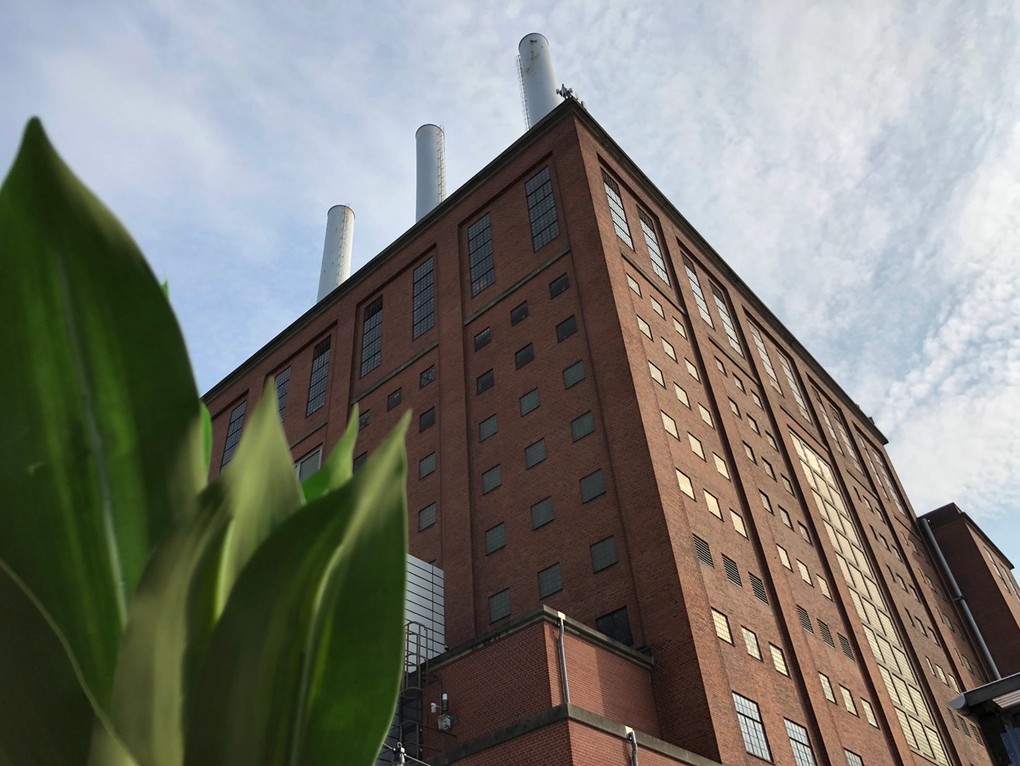
The Building and Development Foundation DTM 4.0 (Bygnings- og Udviklingsfonden DTM 4.0) is launching the architectural competition for one of Denmark's largest industrial transformations, which will turn the old power station into the new Danmarks Tekniske Museum. The task is to turn a building of 26,000 m² with colossal ceiling heights of more than 30 metres, which has supplied electricity and heat to Copenhagen since the 1950s, into an open, national museum in which the building itself is the largest object on display.
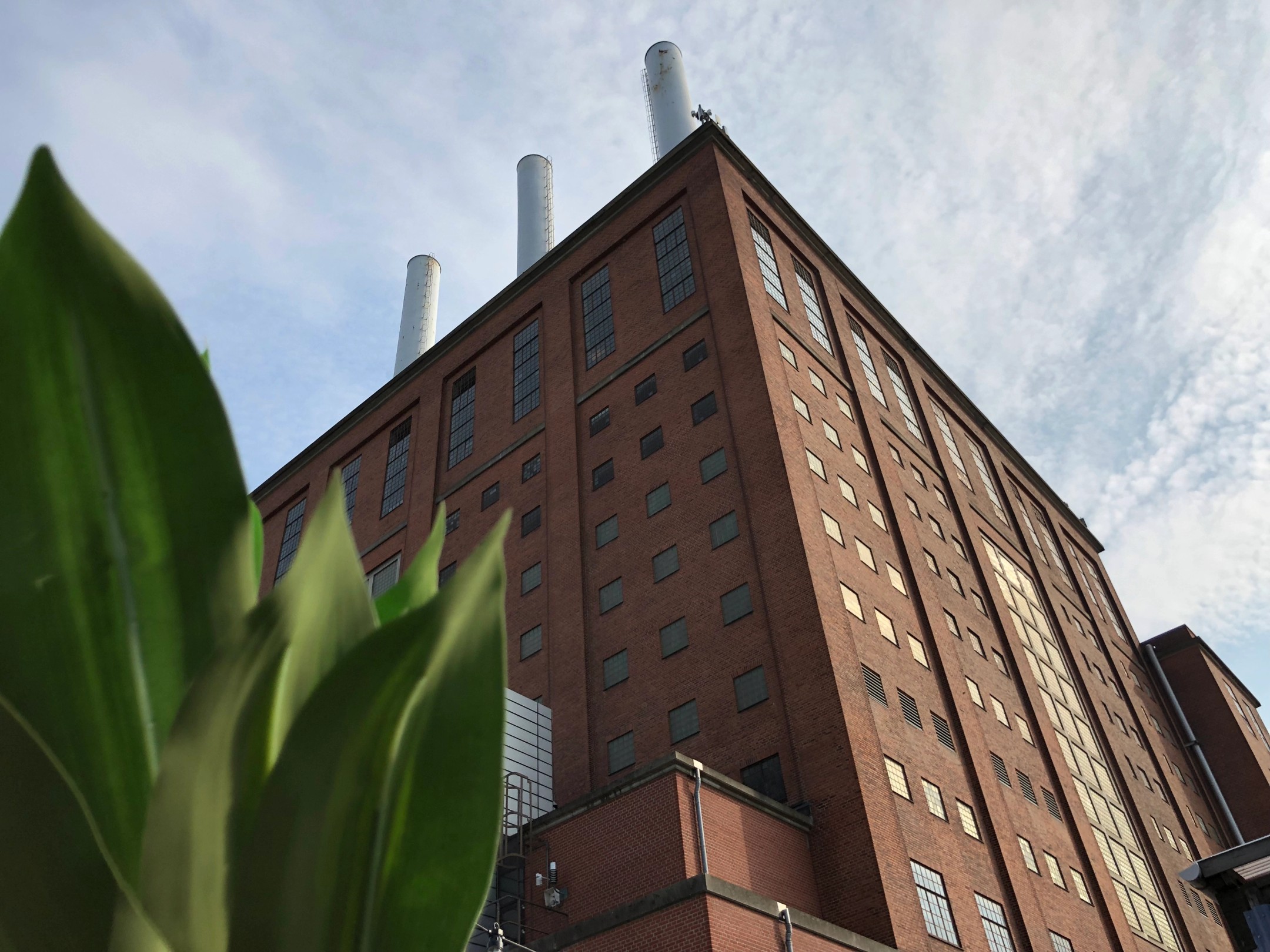
Svanemølleværket's three chimneys can be seen from large parts of Copenhagen. The iconic power station has been off limits to most people – now it is to become a gathering place for the public.
The Building and Development Foundation DTM 4.0 (Bygnings- og Udviklingsfonden DTM 4.0) is launching the architectural competition for one of Denmark's largest industrial transformations, which will turn the old power station into the new Danmarks Tekniske Museum. The task is to turn a building of 26,000 m² with colossal ceiling heights of more than 30 metres, which has supplied electricity and heat to Copenhagen since the 1950s, into an open, national museum in which the building itself is the largest object on display.
Svanemølleværket was built as a closed technical facility. Now it is to become the opposite: an open house that creates truly special museum experiences for approx. 383,000 visitors a year, almost half of whom will be under 18.
With today's announcement of the prequalification, teams of architects and engineers can apply to take part and get the chance to show how it should be done. The final winner will be selected in May 2027.
“Danmark er blevet rigt på teknologi, men vi mangler et sted, hvor vi kan forstå den. Svanemølleværket kan blive det sted. Et kraftværk i katedralformat bliver ledigt midt i en storby, netop når vi har brug for et nyt nationalt museum for teknologi. Den chance får vi ikke igen. Med konkurrencen går vi nu fra vision til arkitektur,” siger Lars Liebst, bestyrelsesformand for Bygnings- og Udviklingsfonden DTM 4.0.
A museum that works as a workshop
Denmark is one of the world's most technology-intensive countries. Energy, artificial intelligence, health, data – technology is everywhere in our everyday lives and in society. Development is moving fast, and as a society we are constantly making decisive choices about how we want to live with the opportunities and consequences of technology. Everyone should be able to understand these choices and take part in discussing them.
The new Danmarks Tekniske Museum is to be a national powerhouse for technological literacy, where visitors investigate technology for themselves, and where the ongoing and unfinished is part of what they encounter. The ambition is a technology museum of international standing that exists nowhere else.
The museum's collection of more than 30,000 objects tells the story of how Denmark became Denmark and shows how technology has changed Danes' everyday lives. It ranges from steam engines and aviation pioneers to space technology and digital breakthroughs. Here, visitors can see the compass H.C. Ørsted used when he discovered electromagnetism, and the space capsule that brought Andreas Mogensen home from the International Space Station. Today the museum is housed in unheated premises in Helsingør. In Svanemølleværket the collection will finally have room to come into play, in surroundings that are themselves technological history.
Next to Svanemølleværket, HOFOR is building a new energy centre with seawater heat pumps and electric boilers. It is this centre that makes it possible to free up the power station. Here, the past and the future of energy can be seen in the same field of view, and the green transition can be experienced as it happens.
Children and young people are a core target group for the new museum. It is in the upper grades of school and in upper secondary education that many make their choices about further education. With direct access from Nordhavn Station and trains from all over the country, the museum will be easy to reach for school classes and families from all over Denmark.
“Interessen for teknik bliver vakt i mødet med virkelige ting i virkelig skala. Derfor skal museet være stedet, hvor man kommer til at forstå teknologien. Med besøg fra omkring 44.000 skoleelever om året kan det nye museum give mange unge lyst til at blive teknikere, ingeniører og faglærte. Vi ser frem til dygtige fagfolks forslag til Svanemølleværkets omdannelse,” siger Christoffer Susé, bestyrelsesformand for Danmarks Tekniske Museum.
A very special task
The competition is conducted at idea and concept level. The proposals must show how Svanemølleværket's very special spaces and potential can be used for a museum while the building can still be read as a power station. Participants must answer how the new functions are distributed within the building, how much is changed, how halls built for heavy technical installations are climatised for people and museum objects, and how the building meets the city and the harbour.
The transformation is to serve as a model for how we reuse the industrial building stock we already have. The foundation is a conservation strategy, developed in dialogue with the City of Copenhagen, which is to safeguard the building's structure, silhouette, facades and large halls while leaving room for the additions that the building's new functions and openness call for. Conservation and new use justify each other. How best to do it is precisely what the competition is to show.
“Bygningen repræsenterer industriel og teknologisk danmarkshistorie og fortjener at blive brugt til noget enestående. Her er plads til at tænke stort og nyt og til at skabe en helt særlig sammenhæng mellem teknologisk innovation og kunstneriske ambitioner,” siger Lars Liebst, bestyrelsesformand for Bygnings- og Udviklingsfonden DTM 4.0.
First, the three teams that will take part in the competition itself will be selected. When their proposals are ready, they will be assessed together on three criteria: transformation; museum, the building's functions and operation; and feasibility and financial robustness. The jury includes, in addition to representatives of the Building and Development Foundation DTM 4.0, independent professional judges.
The competition is funded by the development funds that the Danish Parliament (Folketinget) has granted to the project. The Aage and Johanne Louis-Hansen Foundation and Industriens Fond have supported the development work from the beginning, and their commitment has been crucial in bringing the project to where it stands today. The Novo Nordisk Foundation has made a grant intended, among other things, to create exhibitions and learning environments in the new museum.
Coordination with the planning process
The City of Copenhagen is preparing a draft local plan (lokalplan) for Svanemølleværket and the Lautrupkaj area, where HOFOR, By & Havn and the Kalkbrænderihavnen Property Owners' Association (Grundejerforeningen Kalkbrænderihavnen) also have projects. The competition builds on the premises agreed in the planning work and does not pre-empt the Copenhagen City Council's (Borgerrepræsentationen) consideration of the draft plans.
The Foundation has entered into an agreement with Ørsted on the transfer of the plant when heat production ceases. This is expected to happen in 2030, when HOFOR's new energy centre is complete, and construction is expected to be able to begin in 2031.
Facts about the competition
- Competition format: Project competition with prequalification for the selection of a lead consultant (totalrådgiver)
- Application: Teams of architects and engineers can apply for prequalification until 9 November 2026.
- December 2026: Three teams are selected to take part in the project competition itself.
- March 2027: The jury selects the strongest proposal(s), which proceed to negotiations with the client and further development.
- May 2027: The final winner is selected.
About the Building and Development Foundation DTM 4.0
The Foundation is a commercial foundation established in 2018 by the Confederation of Danish Industry (Dansk Industri). Its purpose is to procure and fit out buildings for Danmarks Tekniske Museum, and it is the client for the transformation of Svanemølleværket. Dansk Industri and Haandværkerforeningen i Kjøbenhavn, which founded the museum in 1911, are behind the Foundation.
About Danmarks Tekniske Museum
Danmarks Tekniske Museum is Denmark's national museum of technology and engineering. Founded in Copenhagen in 1911, it is located today in Helsingør and has a collection of more than 30,000 objects. The museum's 2026–29 strategy is called "The Museum as a Workshop" (Museet som værksted).Skriv artikelindhold her
Further information: Project Director Ulrik Winge, , tel. +45 28 98 40 00. More about the project at dtm4.dk.